


Notebook
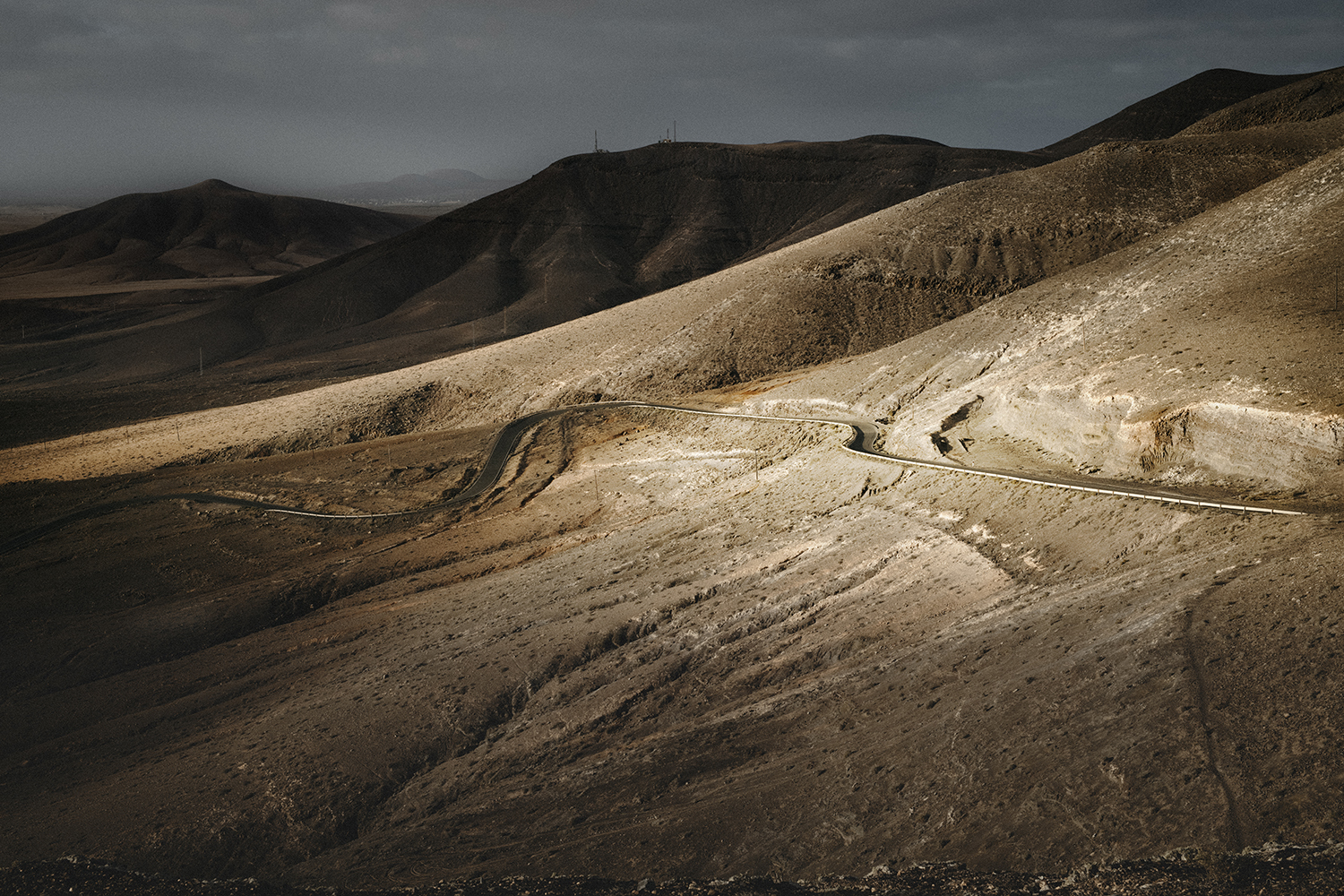
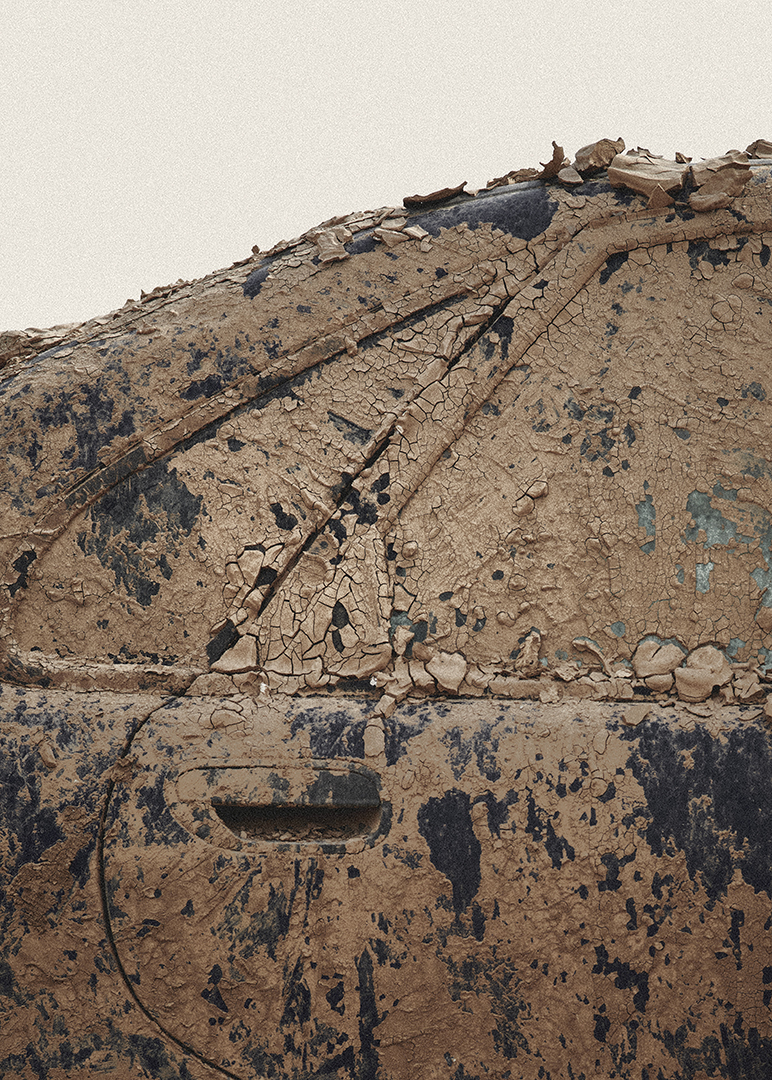
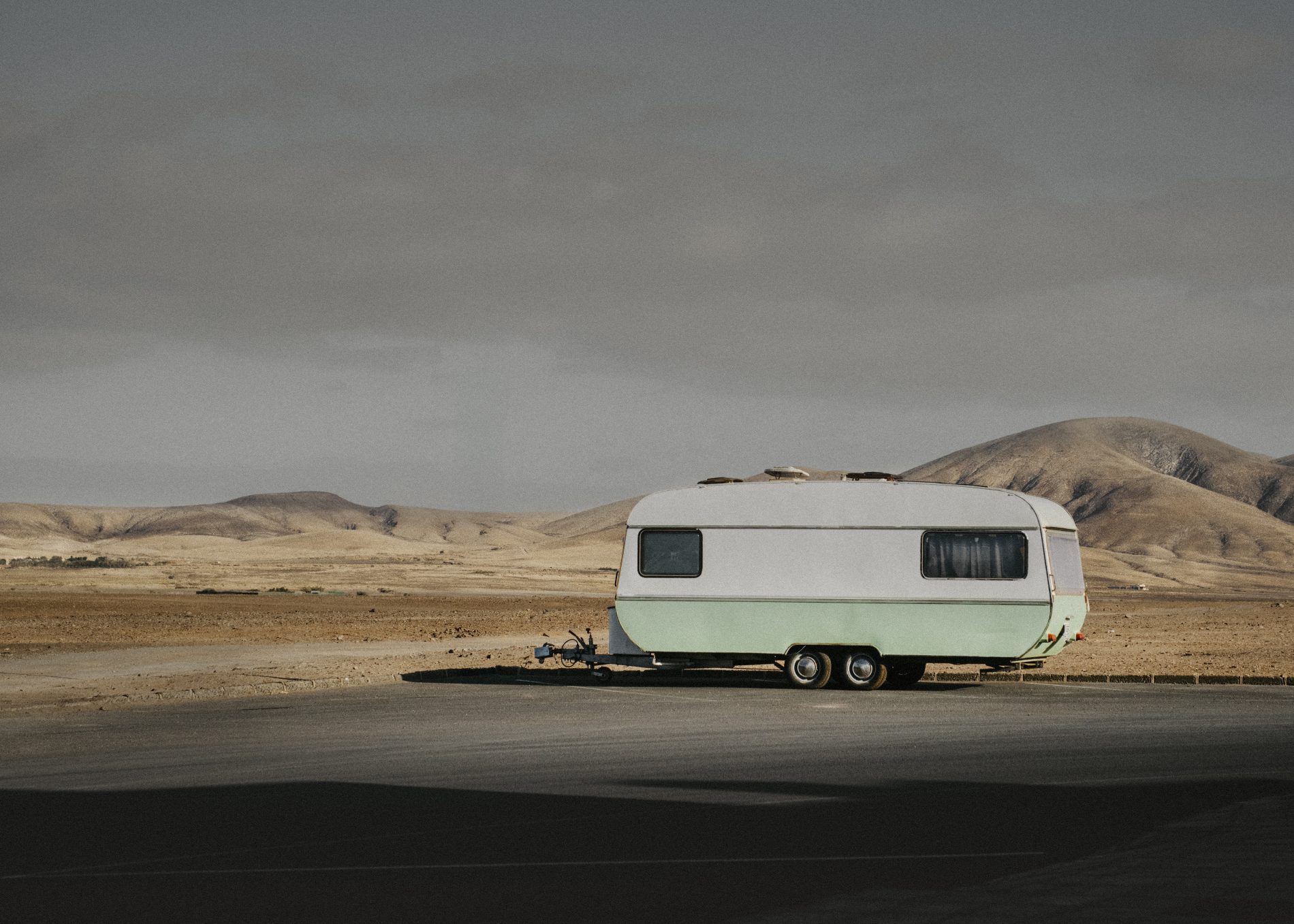
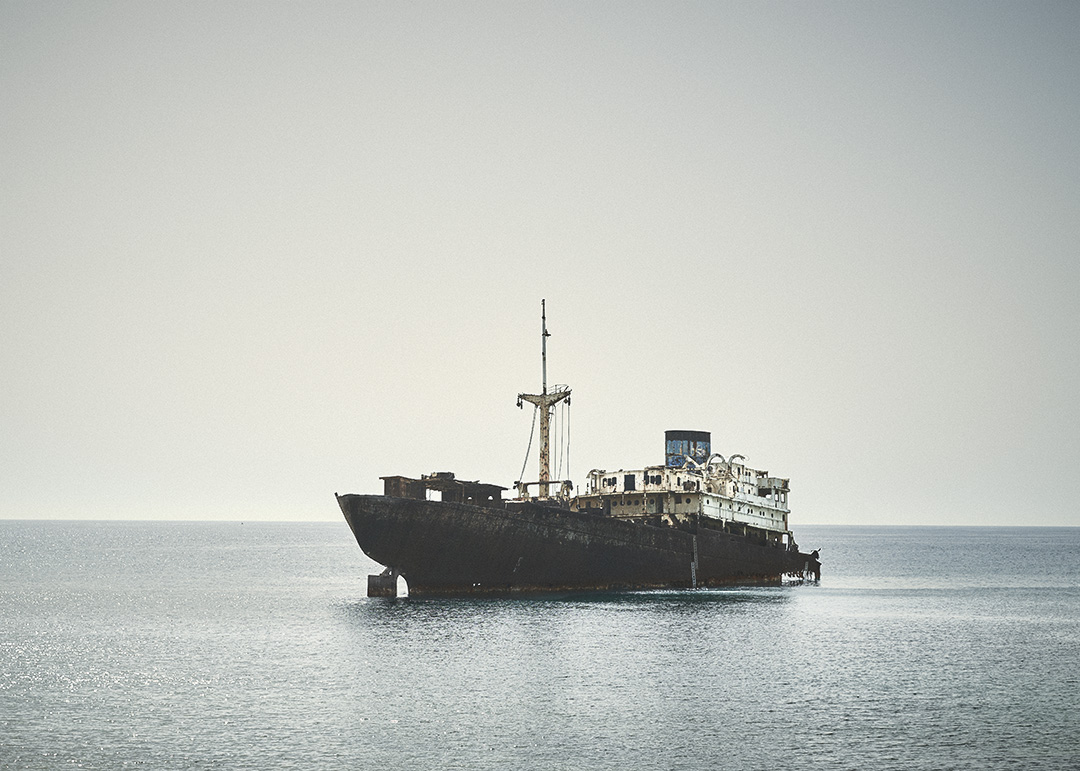
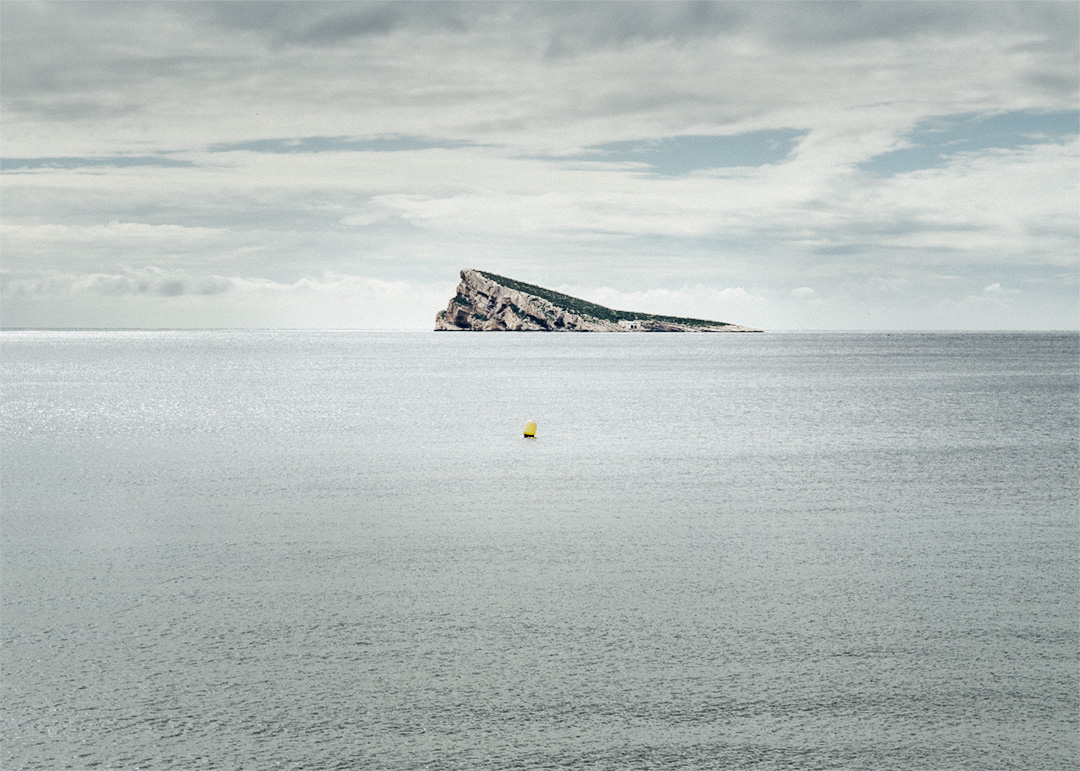
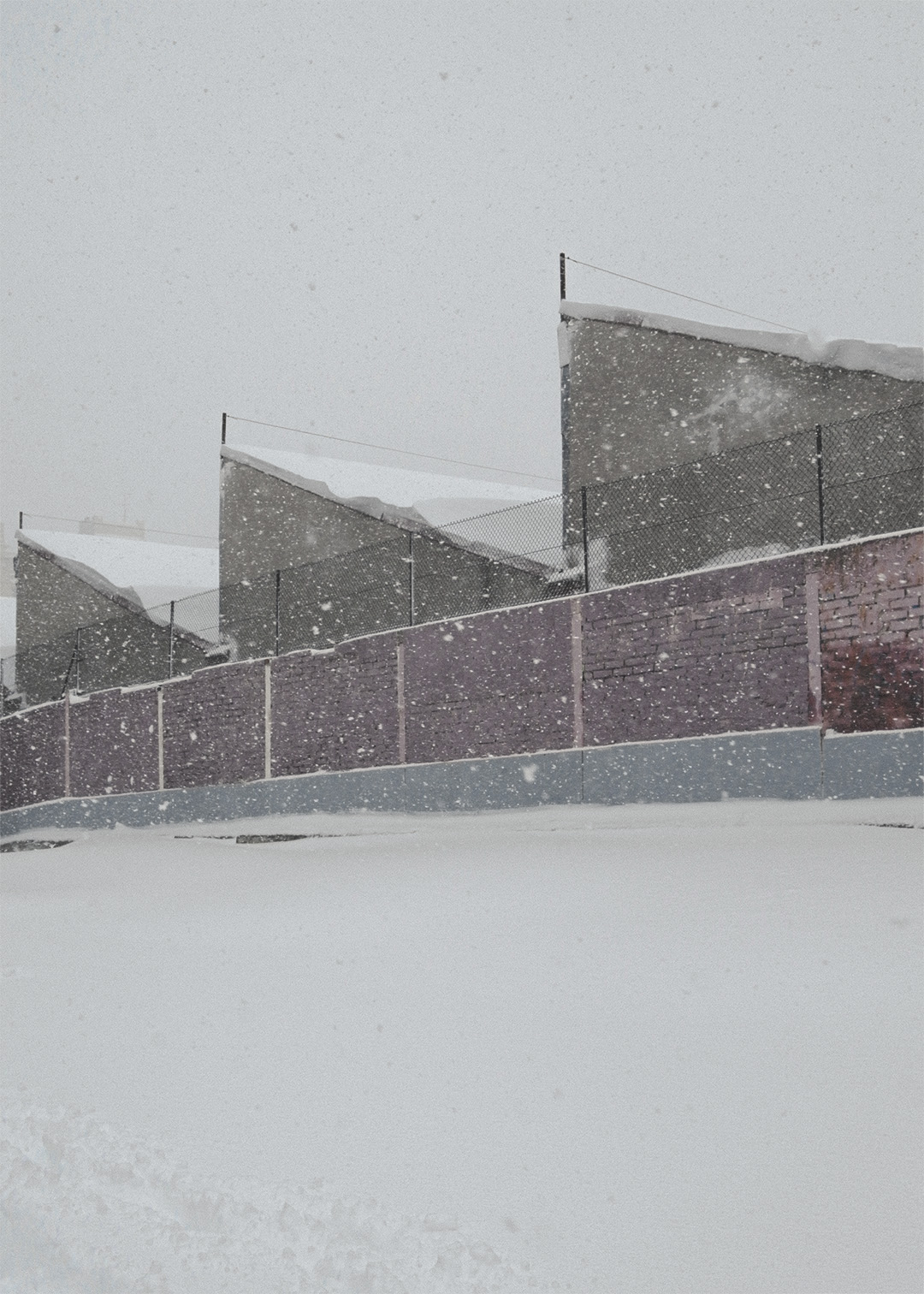
A journey is a state of searching, and it is also a place that does not need territory. It is being in a specific place at a specific moment, even if you only become aware of it later. Notebook is a travel journal, a map of places experienced that continues growing.
Notebook


Emptyness
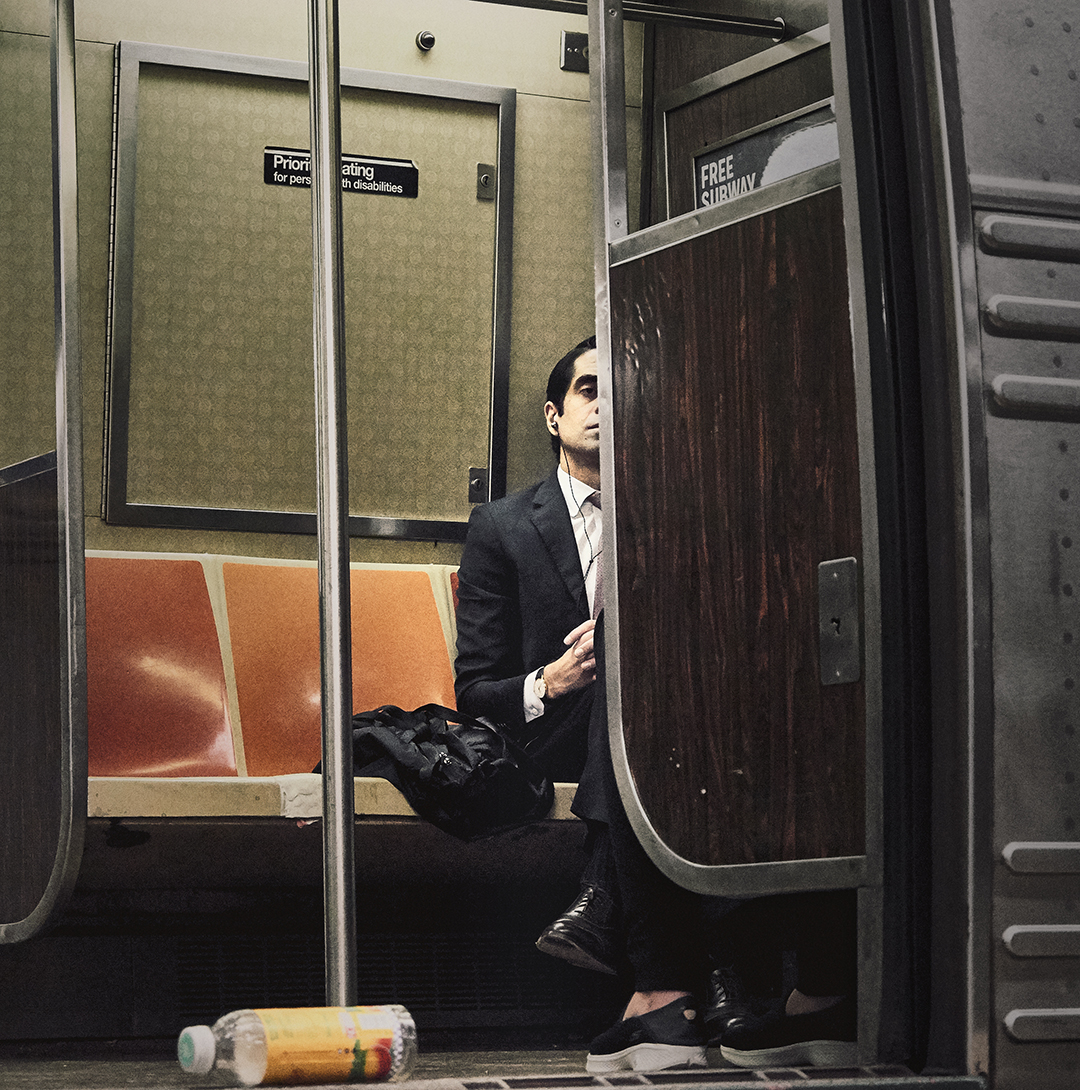
In Emptyness Project, the city is both character and setting; the spaces suggest the same feeling, while seeming to wait for something to happen in them. It is not only an approach to fear and vulnerability, but also to identity (through its negative: non-identity), expressed as a collection of places that could exist anywhere, revealing a fading of identity as a reflection of a process that affects those who inhabit them.
What happens to inhabitants when the spaces that welcome them are so generic? How can one inhabit, from a place of identity, repeated places designed for efficiency?
The photographs can be connected to each other as a single place made up of different spaces. The project raises the issues of emptiness, alienation, and the surrender of space to a productive and standardized functionality, while also questioning the relationship that the inhabitants of that space can build with it.
This project received the Photography Grant from the Ministry of Culture of Spain and the Bourse a la Création Transphotographiques Lille and was exhibited at the same festival in 2008 and 2023.
Emptyness


Lager
While Spain faced postwar, the world in general and Europe in particular were mired in a conflict whose consequences shocked in a different way: this difference was marked by the concentration and extermination camps created by the Third Reich. Until then, the concentration camps were not unknown, but it was the first time such a complex industrial infrastructure and systematic methodology were created with the aim of killing people. The methods used by the nazis progressively achieved a sophistication level difficult to assimilate because of their degradation, violence and cruelty with the victims. Today, the territories have changed and some of these places have been maintained and even reformed to become institutions that in one way or another remember what happened; others have being adapted for new uses while others continue with similar functions.
Lager arises the time relationship maintained in these places and gives the viewer the impulse of visiting them. The starting point of Lager comes from reading memoirs from the survivors of the Holocaust (Viktor Frankl, Neus Català and many others) and the explicit shock value that comes from their experiences, including the displacement through several camps like Auschwitz (Poland), Struthof (France), Mauthausen (Austria), Dachau, Buchenwald (and Dora), Flossenburg and Sachenhausen (Germany), in order to locate spatially their background. Through the personal experience , LAGER is built using the remnants that still remain as a link to observe the transformation these places have experienced and their actual use.
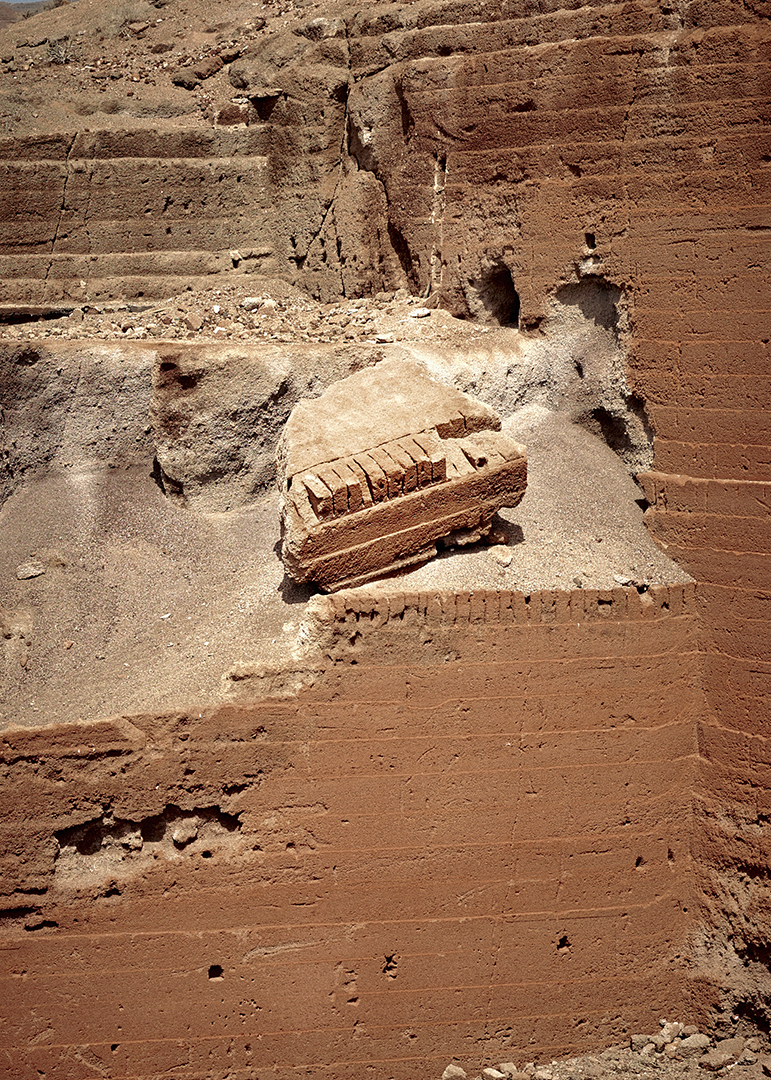
Lager is composed by different images of concentration and extermination camps of the Third Reich, as well as their surroundings and related facilities. The final work shows the photo accompanied by a text indicating the place and function of the shown location. The absence of the most representative symbols in these places is deliberate, allowing an individual conception of space-time-reality.
“It happened, therefore it can happen again: this is the core of what we have to say .” ― Primo Levi.
Lager




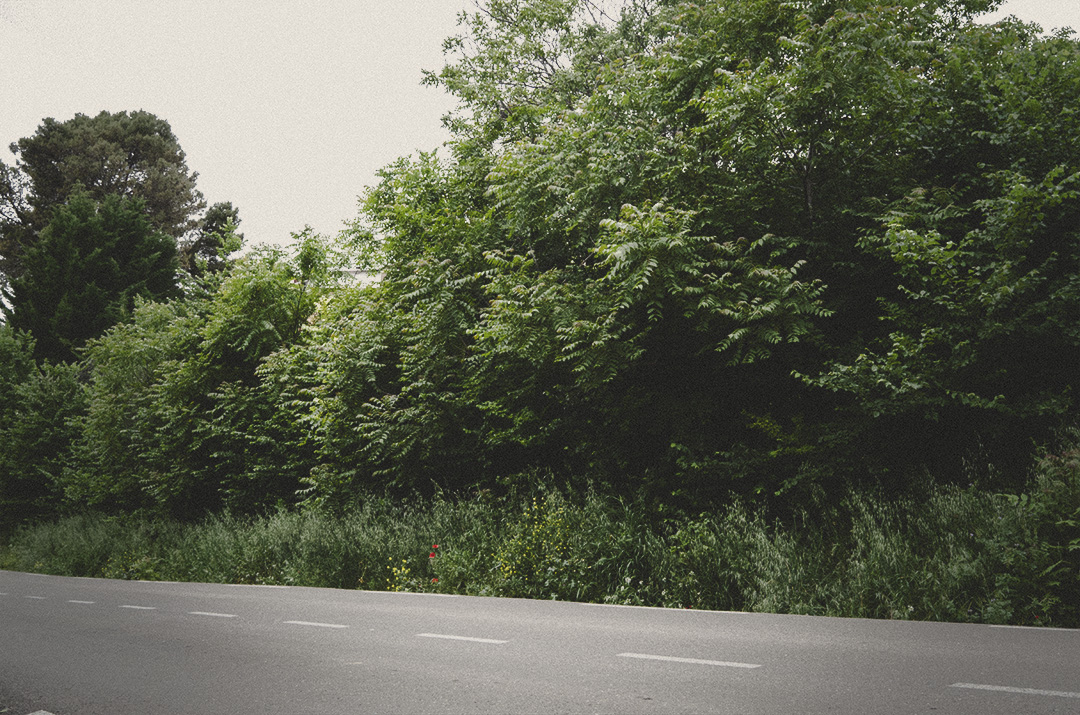
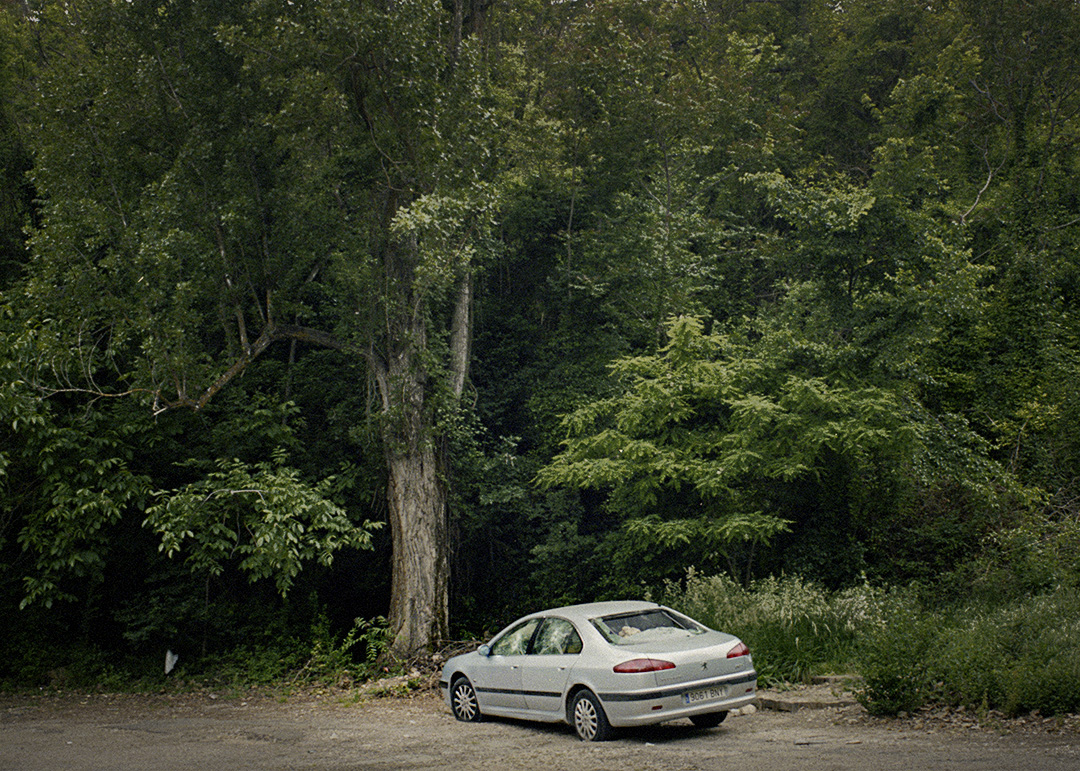
Querida Julia
Para entender
Para entenderme a mí, tuve que entender a mi padre.
Para entender a mi padre, tuve que entender a su familia.
Para entender a la familia de mi padre, tuve que entender su origen.
Gloria Fuertes
To understand
To understand myself, I had to understand my father.
To understand my father, I had to understand his family.
To understand my father’s family, I had to understand their origins.
Gloria Fuertes
She died without ever seeing the sea.
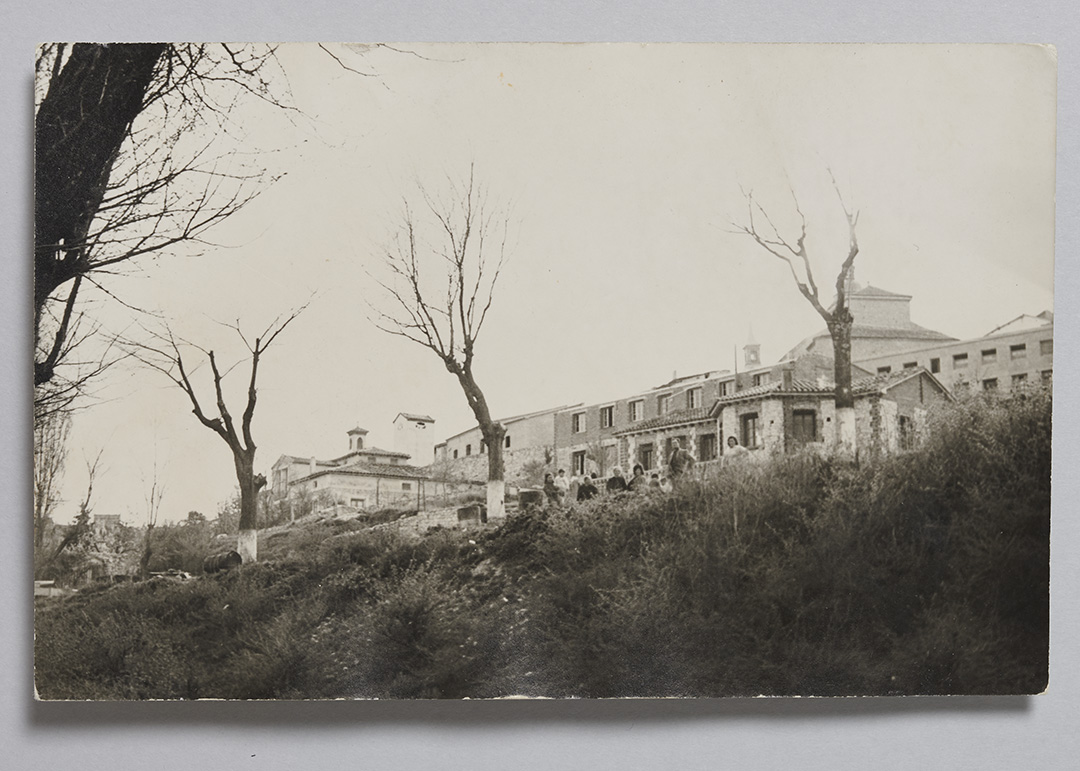
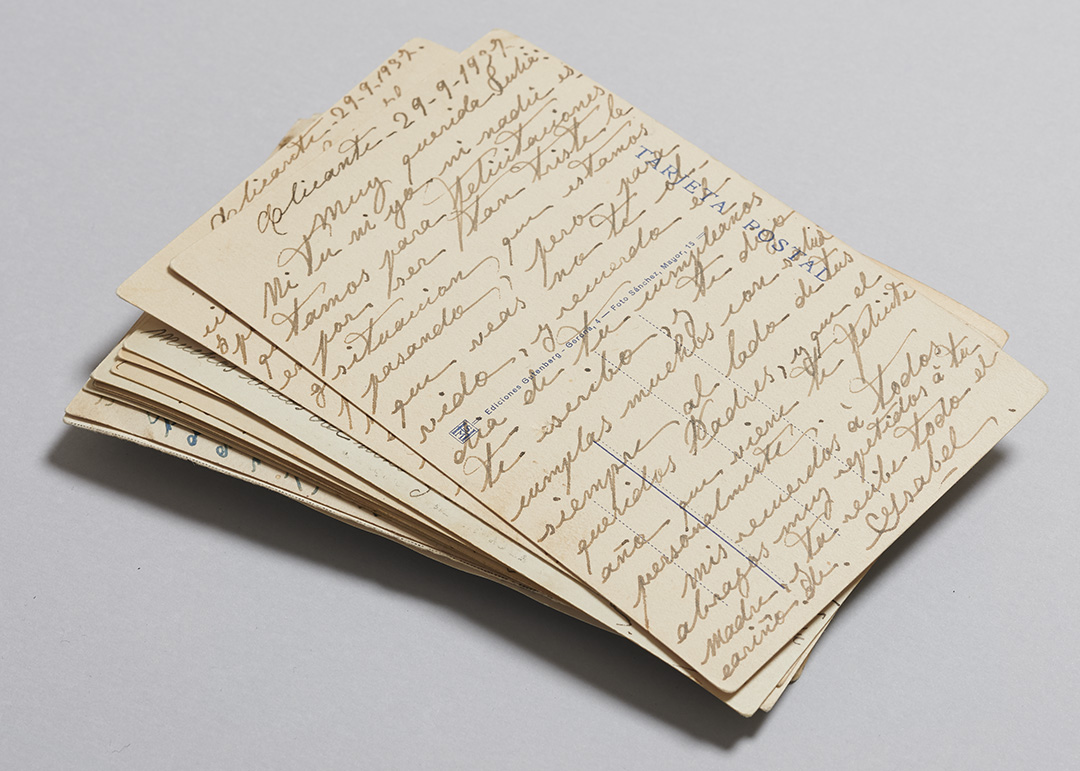
When she was little more than a girl, Julia’s job was to look after Narciso, the son of the village doctor and his wife, Isabel. During the Spanish Civil War, they moved to Alicante and Isabel kept in touch with Julia through postcards that always began with “Querida Julia” and in which she expressed her desire for the family and their caregiver to be reunited once the war was over.
The correspondence intensifies in 1937, presumably due to the perception that the conflict is dragging on and plans for a reunion are becoming difficult. After that year, there are no more postcards until 1943, when, in the midst of the post-war period, the only two postcards from that year are received, which are part of a family vacation in the Basque Country. There will be no more.
The series of postcards contains a mysterious photograph of a group of people on a road in Horche, Guadalajara. Are Julia and Narciso the young woman and baby on the left of the picture?
Querida Julia


Estrecho
According to Wikipedia, Estrecho (meaning ‘strait’) neighborhood in Madrid takes its name from the Strait of Gibraltar and is located within the Tetuán District, which in turn is named after the Moroccan city from which the troops who settled in the neighborhood originally came. In an exercise of consistency between nomenclature and urban planning, it is mostly made up of excessively urbanized and densely populated streets (the average population density of the neighborhood is five times higher than the rest of Madrid), and where the absence of nature is notable. In that sense, the neighborhood is also narrow.
I moved to Estrecho weeks before the advance of the Covid-19 pandemic and the subsequent lockdown, after almost ten years of living in another city. I hardly knew the neighborhood before I arrived, and in my micro-expeditions, I have learned the streets, seen different architectural styles, but above all, I have seen many people. In many cases, their stories are also of having left another land behind at some point.